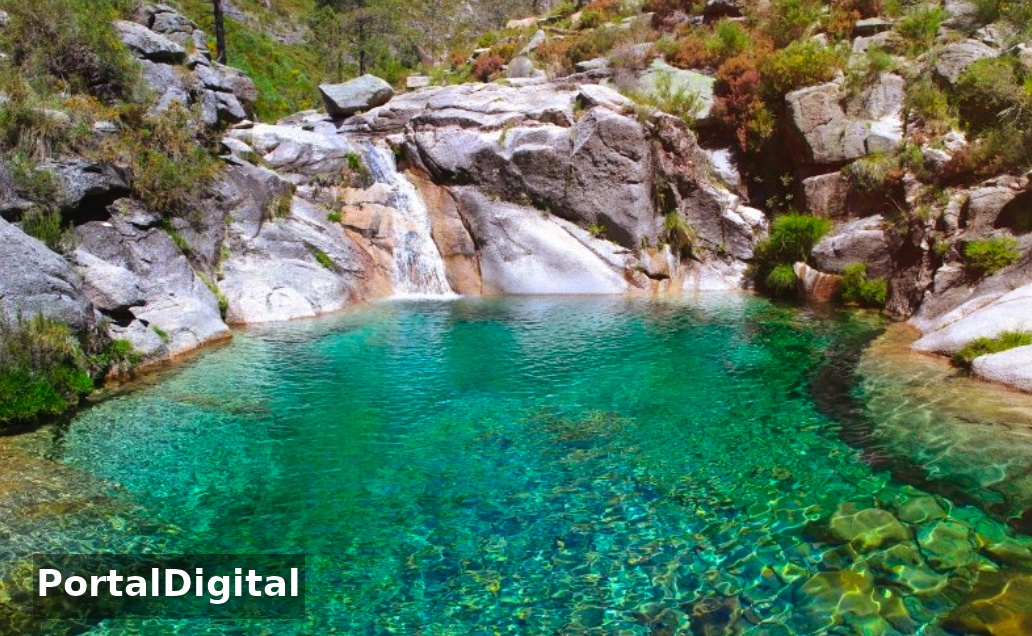


The Brandas de Sistelo trail begins and ends in the center of the medieval village or parish of Sistelo, Municipality of Arcos de Valdevez, Northern Portugal
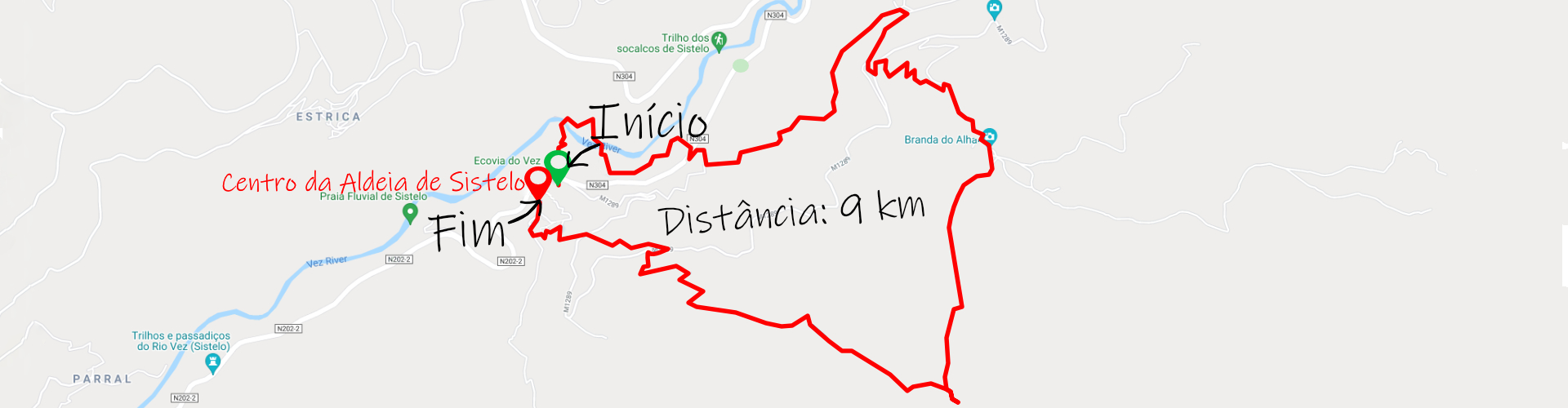
Brandas de Sistelo Trail - Arcos de Valdevez (PR14);
Distance: 9 km;
Circular: yes;
Technical Difficulty: Moderate;
Departure/Arrival Location: Center of the Village of Sistelo.
Distance: 9 km;
Circular: yes;
Technical Difficulty: Moderate;
Departure/Arrival Location: Center of the Village of Sistelo.
In the parish of Sistelo, the Vez river takes its first “steps” where it is more pure and natural despite taking into account its quality and preservation until its mouth on the Lima river.
Sistelo is an integral part of the Peneda and Gerês Park and an important part of Serra da Peneda with all the good things this mountain has to offer.
The Village of Sistelo, also known as Little Portuguese Tibet, is a small paradise for trekking lovers.
It currently has more than half a dozen duly signposted trails, of which the PR14 Trilho das Brandas de Sistelo stands out, which is a more diverse walking route in Sistelo and with the best views over the superb terraces of Sistelo.
The Brandas de Sistelo trail has its charm in all seasons but you should avoid getting on the path on very rainy/very hot days because the walking route has no shadows (with the exception of the forest section).
The Trilho das Brandas de Sistelo, a small pedestrian trail marked and signposted according to international standards, is located on the edge of Serra da Peneda, in the mountain village of Sistelo.
The walk begins next to a building commonly known as Castelo de Sistelo, which was the residence of the 1st and only Viscount of Sistelo, who was a local merchant who made his fortune in Brazil, following the rustic houses and typical granaries along a path that leads to a winding climb and up to beautiful landscapes.
The circular walking trail starts in the center of Aldeia de Sistelo and takes us to Branda do Alhal and the Covo river.
Visitors along the way can appreciate the fantastic terraces of Sistelo that give it the title of National Monument and cross an enchanted forest and enjoy simply breathtaking mountain landscapes.
The Brandas de Sistelo trail begins in the center of the medieval village of Sistelo and heads towards the Vez river, the lowest elevation point on this route (around 250 meters).
From the river Vez it is always uphill until you reach Branda do river Covo, the maximum elevation of the route (800 meters). The climb is tough but taking it easy is fine, especially because along the way we are treated to breath-taking views over the terraces of Sistelo.
Even before reaching the brandas, we cross the small and authentic mountain village of Padrão (500 meters high) and during the well-deserved break, visitors can take the opportunity to purchase some regional products directly from the producers.
The walker after Padrão the slope becomes steeper until we reach Branda do Alhal (740 meters high) but the effort is rewarded because in addition to being able to see Branda do Alhal in situ (today practically in ruins) you can also enjoy a picture: the village of Sistelo in the distance surrounded by its terraces and the mountainous landscape of Serra da Peneda as a backdrop.
From there to Branda do Rio Covo the climb is very slight and the trail takes us through an idyllic forest where with any luck you will find a herd or two cachenas grazing (typical Gerês cows) and as a rule the cachenas are very peaceful and you just need to be silent, don't mess with them and calmly continue on your way.
From Branda do Rio Covo, the descent to Aldeia do Sistelo begins and the Brandas de Sistelo trail takes us along a centuries-old sidewalk and shows us stunning mountain landscapes.
Once back in Sistelo, head to the village café and celebrate the walk with some homemade snacks and a good wine because you have just walked one of the Gerês trails.
Brandas and Inverneiras are part of the transhumance system typical of the Gerês region.
Brandas are villages inhabited during spring and summer and, as a general rule, are located in places above 500 meters in altitude.
Inverneira, on the other hand, is the village where the family spends the autumn and winter, and is generally located in low altitude valleys.
Sistelo is an integral part of the Peneda and Gerês Park and an important part of Serra da Peneda with all the good things this mountain has to offer.
The Village of Sistelo, also known as Little Portuguese Tibet, is a small paradise for trekking lovers.
It currently has more than half a dozen duly signposted trails, of which the PR14 Trilho das Brandas de Sistelo stands out, which is a more diverse walking route in Sistelo and with the best views over the superb terraces of Sistelo.
The Brandas de Sistelo trail has its charm in all seasons but you should avoid getting on the path on very rainy/very hot days because the walking route has no shadows (with the exception of the forest section).
The Trilho das Brandas de Sistelo, a small pedestrian trail marked and signposted according to international standards, is located on the edge of Serra da Peneda, in the mountain village of Sistelo.
The walk begins next to a building commonly known as Castelo de Sistelo, which was the residence of the 1st and only Viscount of Sistelo, who was a local merchant who made his fortune in Brazil, following the rustic houses and typical granaries along a path that leads to a winding climb and up to beautiful landscapes.
The circular walking trail starts in the center of Aldeia de Sistelo and takes us to Branda do Alhal and the Covo river.
Visitors along the way can appreciate the fantastic terraces of Sistelo that give it the title of National Monument and cross an enchanted forest and enjoy simply breathtaking mountain landscapes.
The Brandas de Sistelo trail begins in the center of the medieval village of Sistelo and heads towards the Vez river, the lowest elevation point on this route (around 250 meters).
From the river Vez it is always uphill until you reach Branda do river Covo, the maximum elevation of the route (800 meters). The climb is tough but taking it easy is fine, especially because along the way we are treated to breath-taking views over the terraces of Sistelo.
Even before reaching the brandas, we cross the small and authentic mountain village of Padrão (500 meters high) and during the well-deserved break, visitors can take the opportunity to purchase some regional products directly from the producers.
The walker after Padrão the slope becomes steeper until we reach Branda do Alhal (740 meters high) but the effort is rewarded because in addition to being able to see Branda do Alhal in situ (today practically in ruins) you can also enjoy a picture: the village of Sistelo in the distance surrounded by its terraces and the mountainous landscape of Serra da Peneda as a backdrop.
From there to Branda do Rio Covo the climb is very slight and the trail takes us through an idyllic forest where with any luck you will find a herd or two cachenas grazing (typical Gerês cows) and as a rule the cachenas are very peaceful and you just need to be silent, don't mess with them and calmly continue on your way.
From Branda do Rio Covo, the descent to Aldeia do Sistelo begins and the Brandas de Sistelo trail takes us along a centuries-old sidewalk and shows us stunning mountain landscapes.
Once back in Sistelo, head to the village café and celebrate the walk with some homemade snacks and a good wine because you have just walked one of the Gerês trails.
Brandas and Inverneiras are part of the transhumance system typical of the Gerês region.
Brandas are villages inhabited during spring and summer and, as a general rule, are located in places above 500 meters in altitude.
Inverneira, on the other hand, is the village where the family spends the autumn and winter, and is generally located in low altitude valleys.